What to Do in Your Edible Garden After the Summer Harvest
Set up your veggie garden to be productive and healthy year after year with this fall checklist

You’ve picked every pepper and harvested the last basket of tomatoes from your summer garden. Now what?
Your end-of-season care plays a big role in whether or not your edible garden will continue to perform well in the future. This guide to post-harvest garden care — including how to restock soil nutrients, when to mulch, which plants not to compost and more — will help set up your edible garden for success for years to come.
Your end-of-season care plays a big role in whether or not your edible garden will continue to perform well in the future. This guide to post-harvest garden care — including how to restock soil nutrients, when to mulch, which plants not to compost and more — will help set up your edible garden for success for years to come.

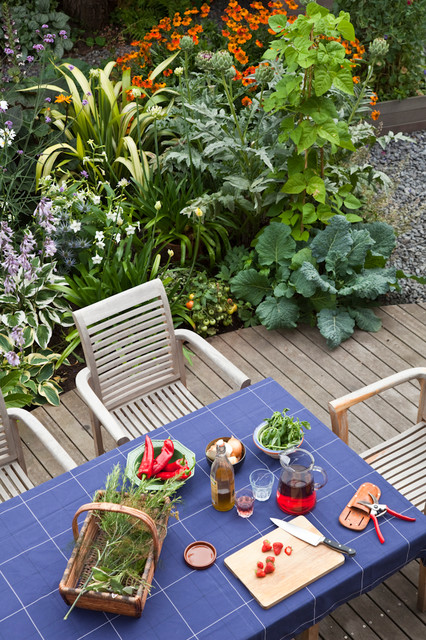
Dry herbs like thyme, basil, lavender and rosemary to use in winter. To harvest and save the seeds of beans and squash, allow the fruits to fully ripen and dry on the vine before picking. Store the seeds in a labeled jar or envelope in a cool, low-moisture space.
Shop for food storage canisters and jars on Houzz
Shop for food storage canisters and jars on Houzz

Need a pro for your landscape design project?
Let Houzz find the best pros for you
Let Houzz find the best pros for you

2. Remove Summer Edibles, Diseased Plants and Weeds
Strip plants of any remaining fruits and seeds and remove them from garden beds. You can add the plants to a compost pile, if you have one, or toss them in the green wastebin. (Fall is a great time to start composting.) Remove and discard any plants that show signs of disease. Plants covered in powdery mildew, which often shows up as dusty white spots on leaves, should be added to the garbage or yard-waste bin — not the compost pile.
Strip plants of any remaining fruits and seeds and remove them from garden beds. You can add the plants to a compost pile, if you have one, or toss them in the green wastebin. (Fall is a great time to start composting.) Remove and discard any plants that show signs of disease. Plants covered in powdery mildew, which often shows up as dusty white spots on leaves, should be added to the garbage or yard-waste bin — not the compost pile.
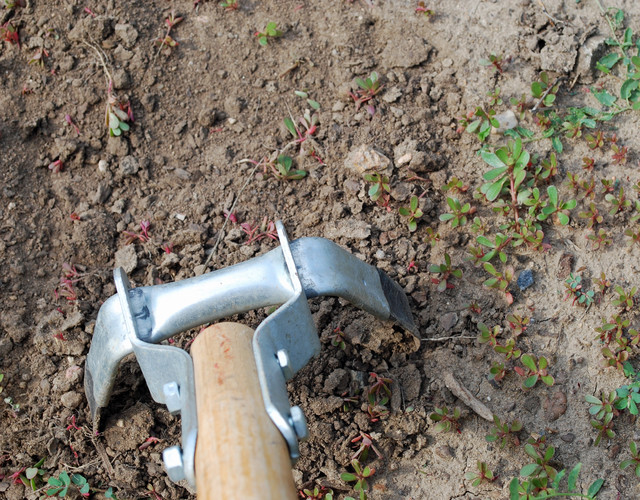
Once soil is exposed, use your hands or a garden hoe to remove weeds that have been hiding under summer plants. Weeds that have not yet formed seeds can be composted; those that have set seed should be thrown away.
Learn the natural ways to get rid of weeds
Learn the natural ways to get rid of weeds
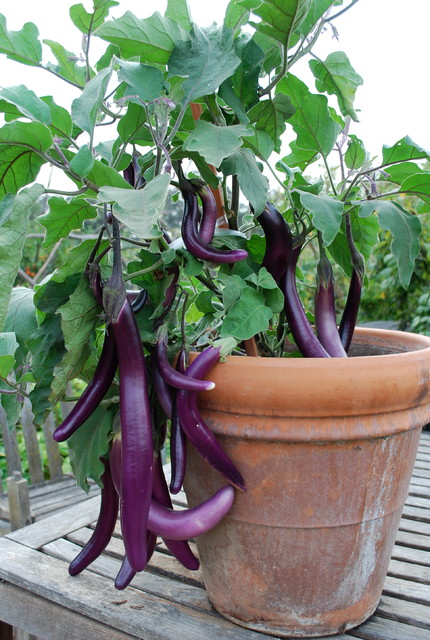
3. Empty and Clean Pots
After harvesting all remaining fruit or edible leaves, remove tired or dying summer herbs and vegetable plants from containers.
If the plants show no signs of disease, you can empty the containers’ soil onto the compost pile or onto garden beds. Spread out the soil with a rake and remove any root balls by hand.
Clean pots with a brush and a solution of vinegar and soapy water. Store them upside down in a sheltered area until next spring or fill them with fresh potting soil for new cool-season plants.
After harvesting all remaining fruit or edible leaves, remove tired or dying summer herbs and vegetable plants from containers.
If the plants show no signs of disease, you can empty the containers’ soil onto the compost pile or onto garden beds. Spread out the soil with a rake and remove any root balls by hand.
Clean pots with a brush and a solution of vinegar and soapy water. Store them upside down in a sheltered area until next spring or fill them with fresh potting soil for new cool-season plants.
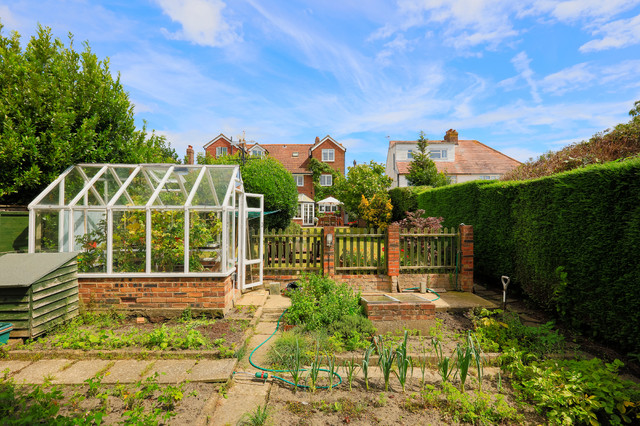
4. Replenish Soil Nutrients
Good soil is the secret to having a successful and productive edible garden year after year. The herbs and vegetables you grew this summer have spent months taking up soil nutrients to fuel their growth and fruit production. If you plant the same crops in the same soil next year without adding nutrients back to the soil, the plants won’t grow as tall or produce as many fruits and veggies. But if you take care of the soil and replenish its nutrients, you can maintain a healthy edible garden season after season.
Good soil is the secret to having a successful and productive edible garden year after year. The herbs and vegetables you grew this summer have spent months taking up soil nutrients to fuel their growth and fruit production. If you plant the same crops in the same soil next year without adding nutrients back to the soil, the plants won’t grow as tall or produce as many fruits and veggies. But if you take care of the soil and replenish its nutrients, you can maintain a healthy edible garden season after season.

Soil amendments and cover crops are the two most common ways to return nutrients and organic material back to the soil.
Soil amendments. If you have a supply of homemade compost, now’s the time to put it to use. Otherwise, you can pick up bagged compost at your local nursery. You can also find organic fertilizers designed to replenish nitrogen, phosphorous and potassium for specific crops. Spread a thick layer of compost over the top layer of soil. Add other amendments as needed according to package instructions.
If your soil felt heavy when pulling out plants, it may also benefit from even more organic material, such as compost, straw or fully dried leaves.
After adding compost, soil amendments and any other organic material, turn over with a shovel, working everything into the soil.
If you live in a mild-winter region, you may choose to replant beds at this point with cool-season crops, such as peas, carrots and cabbages. In cold-winter areas, you may allow the beds to rest until spring planting.
Soil amendments. If you have a supply of homemade compost, now’s the time to put it to use. Otherwise, you can pick up bagged compost at your local nursery. You can also find organic fertilizers designed to replenish nitrogen, phosphorous and potassium for specific crops. Spread a thick layer of compost over the top layer of soil. Add other amendments as needed according to package instructions.
If your soil felt heavy when pulling out plants, it may also benefit from even more organic material, such as compost, straw or fully dried leaves.
After adding compost, soil amendments and any other organic material, turn over with a shovel, working everything into the soil.
If you live in a mild-winter region, you may choose to replant beds at this point with cool-season crops, such as peas, carrots and cabbages. In cold-winter areas, you may allow the beds to rest until spring planting.
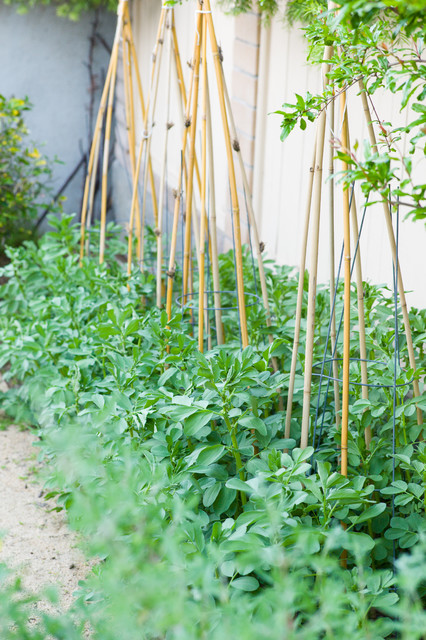
Cover crops. You can also return nutrients back to the soil with the help of cover crops. Among their many benefits, cover crops help improve soil texture, prevent erosion, suppress weeds and add important nutrients to the soil wherever they are planted.
A cover crop is not grown for harvesting. Its primary purpose is to replenish soil nutrients and organic material without the use of added fertilizers. Rye grass, oats, barley, clover and nitrogen-fixing legumes are commonly used as cover crops. Planting a cover crop will take a bed out of rotation for a season, but the soil will be healthier for the next round of planting.
Fava beans, shown here, are easy cover crops to try in a small garden. Plant a bed with favas, allow them to produce pods for harvest (if you want to eat them) and then cut or mow the plants on the bed, allowing the fallen cuttings to stay on the surface of the soil as a “green manure.” Till the organic matter into the soil two to three weeks before spring planting to give them time to decompose and help improve the soil.
A cover crop is not grown for harvesting. Its primary purpose is to replenish soil nutrients and organic material without the use of added fertilizers. Rye grass, oats, barley, clover and nitrogen-fixing legumes are commonly used as cover crops. Planting a cover crop will take a bed out of rotation for a season, but the soil will be healthier for the next round of planting.
Fava beans, shown here, are easy cover crops to try in a small garden. Plant a bed with favas, allow them to produce pods for harvest (if you want to eat them) and then cut or mow the plants on the bed, allowing the fallen cuttings to stay on the surface of the soil as a “green manure.” Till the organic matter into the soil two to three weeks before spring planting to give them time to decompose and help improve the soil.

5. Mulch
If you’re not using a cover crop over winter, spread a layer of bark, straw or dried leaf mulch over the soil’s surface. The mulch will help suppress weed growth, keep the soil warm for any newly planted cool-season crops and maintain soil moisture.
Learn more about using mulch in the garden
If you’re not using a cover crop over winter, spread a layer of bark, straw or dried leaf mulch over the soil’s surface. The mulch will help suppress weed growth, keep the soil warm for any newly planted cool-season crops and maintain soil moisture.
Learn more about using mulch in the garden

6. Cut Back Vines, Brambles and Other Perennial Crops
Cut back thin or straggly vines, unwanted side shoots and larger vines on grapes, kiwis and other fruit vines.
For brambles, such as blackberries, boysenberries and raspberries, choose four to six of the healthiest, most vigorous canes to keep on each plant, cutting all others to the ground.
Thin strawberry beds by dividing plants and replanting them in rich, well-draining soil where there is room to spread out. As asparagus and artichokes start to naturally die back at the end of the season, cut back plants to about 6 inches above the ground.
Cut back thin or straggly vines, unwanted side shoots and larger vines on grapes, kiwis and other fruit vines.
For brambles, such as blackberries, boysenberries and raspberries, choose four to six of the healthiest, most vigorous canes to keep on each plant, cutting all others to the ground.
Thin strawberry beds by dividing plants and replanting them in rich, well-draining soil where there is room to spread out. As asparagus and artichokes start to naturally die back at the end of the season, cut back plants to about 6 inches above the ground.

7. Fertilize and Mulch Perennials
All of the edible perennials mentioned — grapes, brambles, strawberries, asparagus and artichokes — benefit from sprinkled organic or synthetic fertilizer at the base of each plant and a layer of bark or straw mulch to protect them from cold winter temperatures.
All of the edible perennials mentioned — grapes, brambles, strawberries, asparagus and artichokes — benefit from sprinkled organic or synthetic fertilizer at the base of each plant and a layer of bark or straw mulch to protect them from cold winter temperatures.

8. Clean and Store Garden Tools and Supplies
Store trellises, tomato cages and other garden supplies in a garden shed or covered area over winter. Organize tools and give them an end-of-season cleanup.
Dip the metal parts of shovels, spades, hand trowels and pruning shears in a diluted bleach solution to prevent the spread of diseases, then wipe dry. Sharpen tool blades that need it. Condition both the metal and wooden parts of tools with a light coating of oil to prevent rust and to keep handles hydrated. Store tools in a garden shed, garage or covered area.
How to clean and care for garden tools
Store trellises, tomato cages and other garden supplies in a garden shed or covered area over winter. Organize tools and give them an end-of-season cleanup.
Dip the metal parts of shovels, spades, hand trowels and pruning shears in a diluted bleach solution to prevent the spread of diseases, then wipe dry. Sharpen tool blades that need it. Condition both the metal and wooden parts of tools with a light coating of oil to prevent rust and to keep handles hydrated. Store tools in a garden shed, garage or covered area.
How to clean and care for garden tools
9. Plan for Next Year
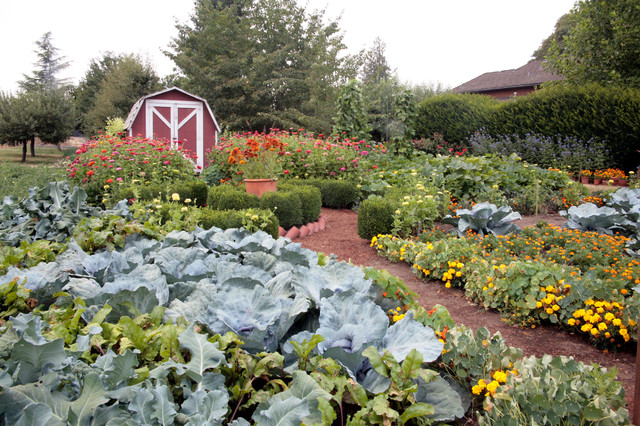
Don’t forget to take time to make notes for next year’s warm-season edible garden. Ask yourself what your favorite varieties or most successful plants were. Were there any plants that did not thrive? Could your next edible garden benefit from more pollinator-attracting plants? If so, plan on planting them around the edges. Jot down these garden notes now so you’ll have a plan for success next spring.
Don’t forget to take time to make notes for next year’s warm-season edible garden. Ask yourself what your favorite varieties or most successful plants were. Were there any plants that did not thrive? Could your next edible garden benefit from more pollinator-attracting plants? If so, plan on planting them around the edges. Jot down these garden notes now so you’ll have a plan for success next spring.

Tell us: What do you do as part of your end-of-season edible garden cleanup? Share tips in the Comments.



When you’re ready to finish up your summer garden, pick all remaining fruit, veggies and edible leaves. Many fruits, such as tomatoes, will continue to ripen once they’ve been picked. Have an end-of-summer feast and make plans to preserve, freeze or give away excess produce.